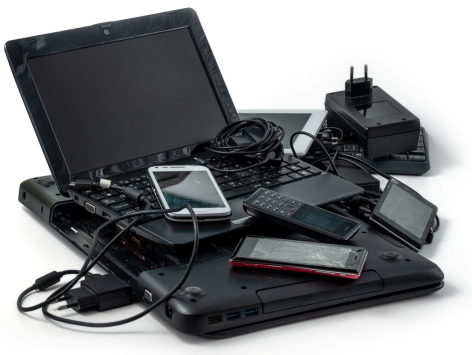
Electronic waste or e-waste is a term used to describe electronic products that have become unwanted, non-working or obsolete, or have reached the end of their useful life.
Global E-waste Monitor 2020 report found that the world dumped a record 53.6 million tons of e-waste last year, The new report also predicts global e-waste discarded products with a cord or battery will reach 74 million tons by 2030, almost a doubling of e-waste in the next 9 years.
Electronic waste in Ontario is increasing day by day and becoming a challenge for our waste system, more than 50,000 tones are generated each year in Ontario. COM2 is doing is parts to keep them out of landfills and illegal exports and make it possible to recycle it maximum for its reuse. All these materials are extremely toxic to the environment and humans. Therefore, it is important to properly recycle electronics. Most electronic components possess toxic elements, including lead, beryllium, polyvinyl chloride, and mercury.
Com2 recycling solutions is a leading provider of Environmentally Sustainable Solutions to North American industry successfully diverted millions of pounds of e-waste recyclables from landfills committed to ‘keep the planet Green’
COM2 will work with you directly to find the recycling solution that accommodates your business needs. Whether it’s simply removing electronics from your business or Com2 is your one-stop shop for e-waste recycling.
WE SEEK TO BE ENVIRONMENTAL RESPONSIBLE -COST EFFECTIVE -SUSTAINABLE
THE 1ST IN NORTH AMERICA!
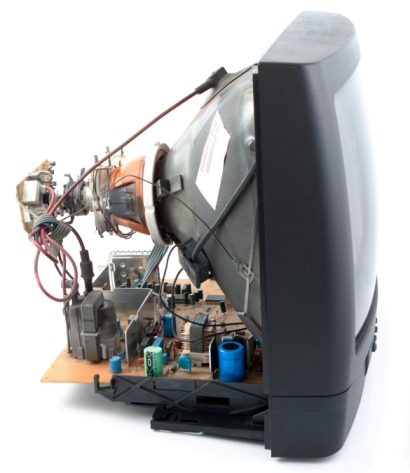
In old TV’S, Cathode ray tubes or CRT contain on average six pounds of lead. This makes them extremely dangerous and costly to recycle properly. CRT TVs, printers, cartridges, and many large home appliances are dangerous to recycle, so consumers should understand its timely disposal with a certified recycler to avoid environmental consequences later.
Over the past few years, a growing number of environmental violations at e-recycling facilities have come to light where recyclers simply stockpile CRT glass rather than paying to send it for recovery. Some of these companies have abandoned their business, leaving the mess and the financial liability for their customers to take care of.
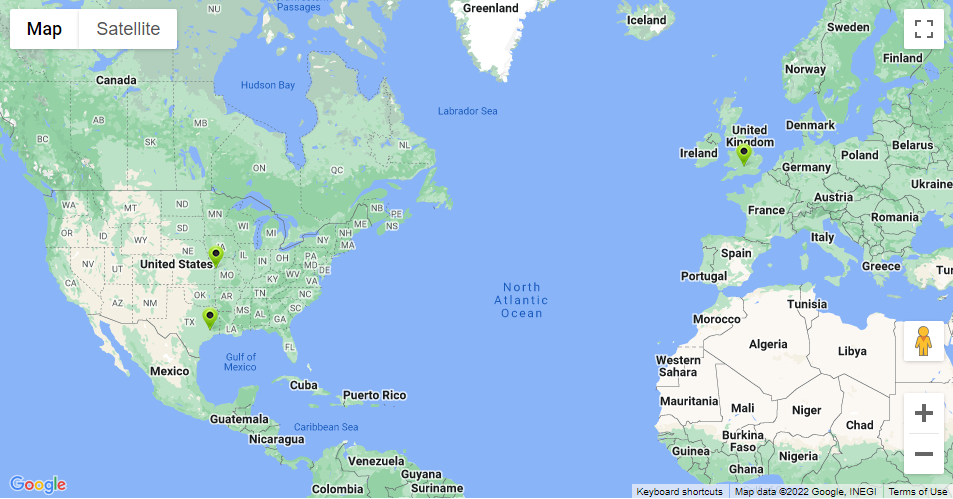
COM2 began processing CRT glass at its Carol Stream, Illinois facility in 2009. After separating and cleaning the glass, the processed glass was sent to downstream facilities for final recovery. COM2 soon realized the constraints and costs of sending glass off site for final recovery were becoming prohibitive and decided to invest in its own CRT glass recovery process.

We’re proud that we can provide an innovative and environment-friendly solution to a huge electronic disposal challenge: safely recycling millions of TVS and computer monitors that contain Cathode Ray Tubes (CRT’s) with lead-based tube funnels. These ancient electronics have become dinosaurs made extinct by the introduction of approximately 57 million flat panel LCD computer monitors and TVs each year. With their leaded glass, these relics have also become dangerous, and are not fit for disposal in landfills due to the prospect of lead leaching into the soil /or water table and the unhealthy threat that presents to our communities.
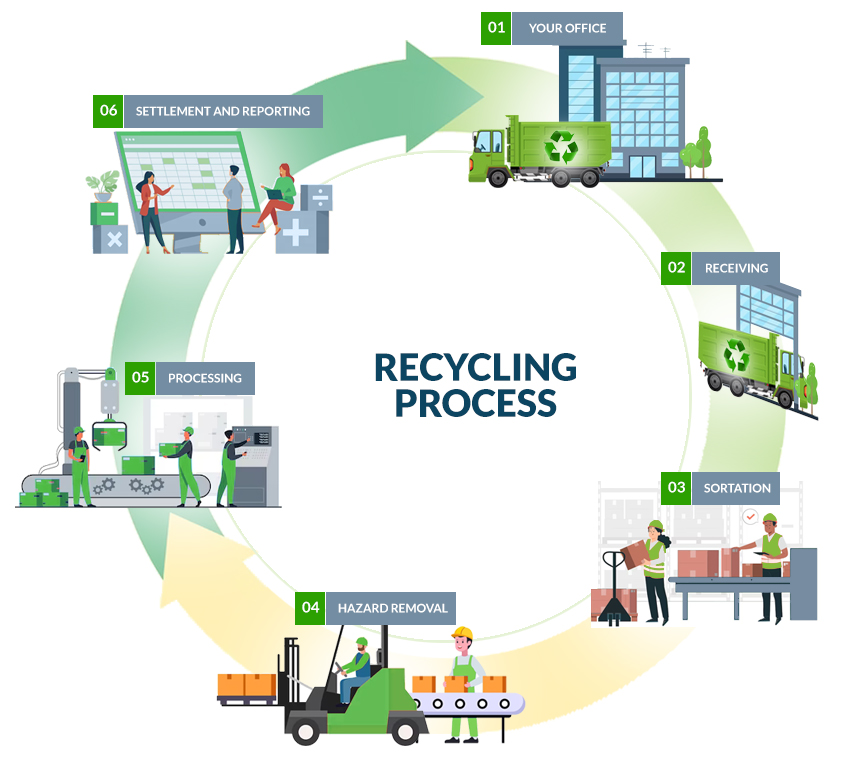
Com2Computer is doing the best to protect and conserve nature and natural resources. Electronic recycling parts are usually metals, though there are glass, fiber and other natural substances, which may be associated with the electronic instruments. We take step-by-step measures and treatments, whenever we proceed for the machine process of recycling electronic goods. Ultimately, we send the recycled form of your electronic goods to a suitable place, where the uses of such goods are required and thus, we contribute in our means to protect the nature.

To make it easy to dispose of your e-waste we offer convenient drop off locations through out Ontario
Find out location near you
It’s one thing to ensure customer satisfaction. It’s an entirely different level of service, however, when a business is handling computer or server equipment that is not only highly valuable but also contains loads of data that could be used for nefarious purposes should that equipment be breached or stolen. Electronics recyclers should have white glove service measures in place for their de-installation, pickup, transport, reception, storage, and data shredding procedures, guaranteeing the equipment will be locked away and secured, as well as handled without damage. An electronics recycler should ensure the client has an unwavering peace of mind that the vendor they’ve chosen is fully prepared for any potential scenario involving their equipment, because nobody should worry about compromising their assets while receiving service.